Travelling to Kyoto
Konnichiwa!
Konnichiwa!
I’m Chiba, your travel companion for NSC 2027 in Kyoto, Japan! I’ll be joining you on the journey and sharing helpful tips, travel advice and a few insights into Japanese culture as we get ready for this exciting adventure.
Whether Japan is a familiar destination or your first visit, there are a few things worth knowing before you go.
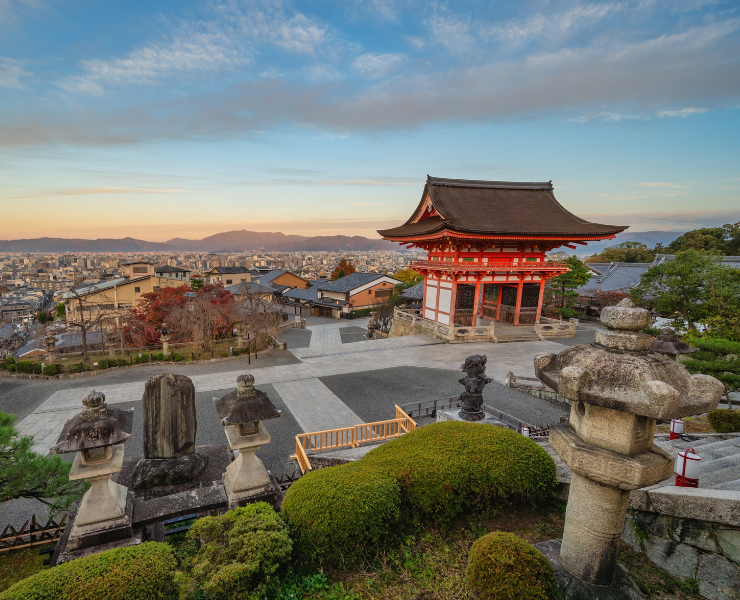
Reflecting the conference theme, “Kaizen – Change today for a better tomorrow”, Kyoto offers a unique blend of continuous improvement and enduring tradition. For more than 1000 years, the city has evolved while preserving the cultural practices, architecture and craftsmanship that define its identity. Today, centuries-old traditions flourish alongside modern innovation, creating an environment that inspires learning, reflection and progress.
Flying to Japan
Which airport should I fly into?
When booking flights from Australia or New Zealand, you may find options arriving in Osaka or Tokyo. Both are possible, but the best choice will depend on your flight itinerary and whether you plan to explore Japan before or after the Congress.
Osaka
Kansai International Airport (KIX) is the main international airport serving Osaka and the surrounding region. It is generally the most straightforward choice for delegates travelling directly to Kyoto.
Delegates arriving at Kansai International Airport, Osaka, travelling to Kyoto is straightforward. Follow the signs to Kansai-Airport Station and take the JR Haruka Express, which travels directly to Kyoto Station in approximately 75–80 minutes, with no transfers required.
Osaka Itami Airport (ITM) also serves the region, but it primarily handles domestic flights, so it is more likely to be useful if you are connecting from another Japanese city.
If you arrive at Osaka Itami Airport, travelling to Kyoto is relatively easy. Itami is a domestic airport located closer to central Osaka than Kansai International Airport. From the airport, take the airport limousine bus to Kyoto Station, with the journey usually taking around 50–60 minutes, depending on traffic. Alternatively, take the Osaka Monorail to Hotarugaike Station, transfer to the Hankyu Railway and travel towards Kyoto
Toyko
Tokyo has two major airports: Haneda (HND), which is closer to central Tokyo, and Narita (NRT), which is further outside the city. Both offer international flights.
Haneda (HND) For delegates arriving at Haneda Airport in Tokyo, the easiest way to reach Kyoto is usually to take a train from the airport to Shinagawa Station, then board the Shinkansen (bullet train) to Kyoto approximately 2.5 hours. The important thing to know is that the bullet train does not depart directly from Haneda Airport. You need a short local train journey first, but the connections are straightforward. You could fly to Osaka, but you will need to factor in airport transfers, check-in and baggage collection. For many travellers, the train is the simpler option.
Narita (NRT) If you arrive at Narita International Airport near Tokyo, you can travel to Kyoto by taking the Narita Express (N’EX) train to Tokyo Station, which takes approximately 55–65 minutes. At Tokyo Station, follow the signs for the Tokaido Shinkansen and board a service that stops at Kyoto Station approximately 2.5 hours.
Chiba’s Travel Tips
Useful websites for Travel
Check your passport and visa requirements
Make sure your passport is valid for your entire stay and check the entry requirements that apply to your nationality. Australian and New Zealand passport holders should check the latest advice before departure.
Getting around Japan
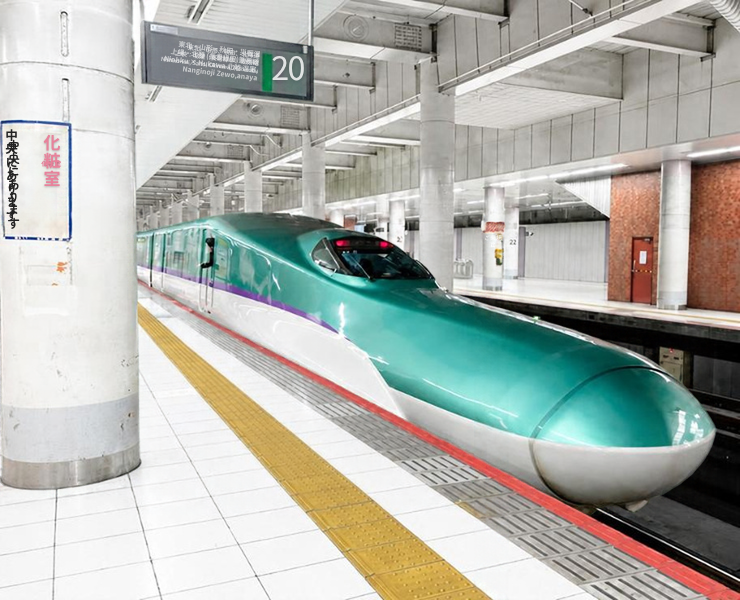
Japan is well known for its efficient public transport, including its famous Shinkansen bullet trains. Kyoto is easy to explore by train, subway and bus, and planning your journeys ahead of time will help you make the most of your visit.
Suica travel cards
Getting around Japan is easy with a Suica card, a rechargeable travel card that you can use on many trains, subways and buses throughout Japan. You can also use it to pay for small purchases at many convenience stores, vending machines and other participating retailers.
Physical Suica cards are available at selected stations and ticket machines at the airports, subject to availability. You can also add a Suica card to Apple Wallet on a compatible iPhone or Apple Watch and top it up digitally.
Stay connected
Consider arranging an international roaming plan, eSIM or local SIM card before you travel. Having access to maps, translation tools and transport apps can make navigating Japan much easier.
Be prepared to pay
Credit cards are widely accepted in Japan, but some smaller businesses and local establishments may still prefer cash. Having some Japanese yen available is a good idea.
A little Japanese goes a long way
You don’t need to speak Japanese to enjoy your visit, but learning a few simple phrases is always appreciated.
- Konnichiwa – Hello
- Arigatō gozaimasu – Thank you
- Sumimasen – Excuse me
- Onegaishimasu – Please
Shinkansen (Japanese Bullet train) travel tips from Chiba!!
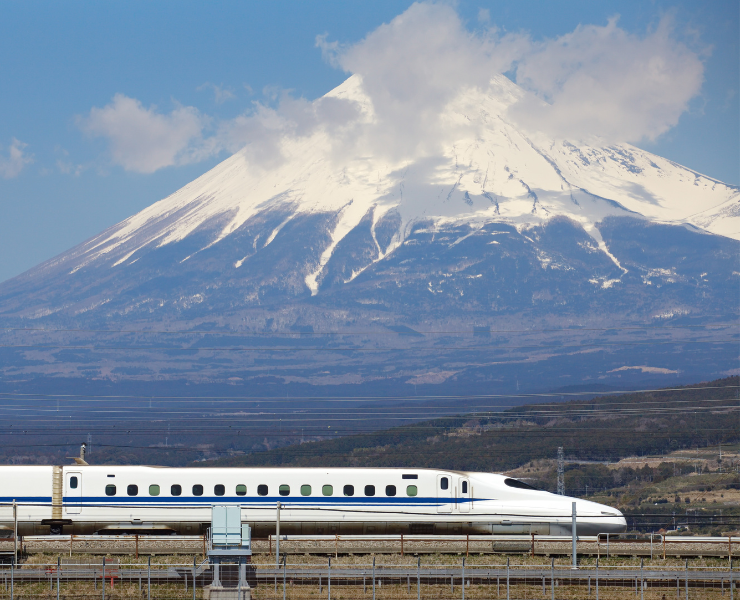
Look out for Mount Fuji! If you’re travelling from Tokyo to Kyoto, try to get a window seat on the right-hand side of the train when heading towards Kyoto for a chance to see Mount Fuji on a clear day and choose the green carriage seats. Keep your camera ready!
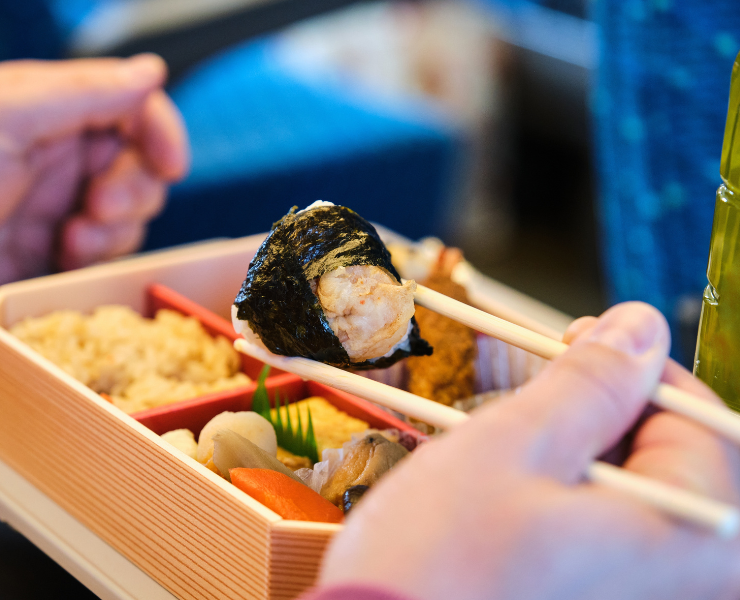
Make food part of the journey. Pick up a a traditional boxed railway meal before boarding. You’ll find delicious regional specialties, sushi, bento boxes and snacks at major stations. It’s all part of the fun!
Pack smart. Space for large suitcases can be limited. If your luggage has total dimensions exceeding 160 cm (length + width + height), you generally need to reserve a seat with an oversized-baggage area on the Tokaido Shinkansen. Check the current rules when booking.
Keep it quiet. Japanese trains are famously peaceful. Keep phone calls off the train, speak softly and switch your phone to silent mode. It’s the perfect opportunity to relax after a long flight.
Be on time! Shinkansen trains are known for their punctuality. Check your departure time, train name, carriage and seat number before boarding, and arrive at the platform a little early.
If you are travelling with large suitcases, allow extra time to navigate the stations and check the luggage requirements for your chosen train service